CHARCOAL
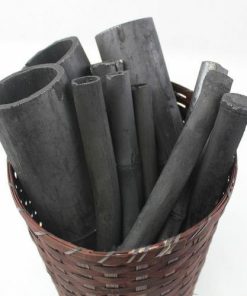
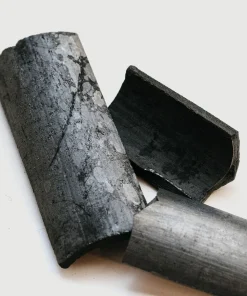
Charcoal, a versatile and widely-use fuel source, holds a prominent place in many cultures around the world. Derived from the carbonization of wood, peat, coconut shells, or other organic materials, it has earned its reputation for its exceptional heat-generating capabilities and multifaceted applications.
First and foremost, charcoal is renown for its intense heat. When ignited, it swiftly reaches high temperatures, making it an ideal choice for grilling, barbecuing, and cooking. This rapid heat generation ensures that you can start cooking almost immediately, sparing you valuable time when you’re hungry and eager to get your meal underway.
Furthermore, the versatility of charcoal extends beyond cooking. It is often employed in various industrial processes, like metallurgy, where high heat levels are crucial for forging and smelting. This adaptability underscores charcoal’s significance as a key resource in industries where precise temperature control is vital.
Charcoal’s burning characteristics also make it a favored choice for outdoor activities like camping and heating. Its consistent, even burn ensures a reliable source of warmth during chilly evenings or while enjoying the great outdoors. Moreover, its compact and lightweight nature makes it easily transportable, allowing you to take it along on your outdoor adventures without adding significant weight or bulk to your gear.
Additionally, charcoal boasts exceptional longevity. Unlike other fuel sources that may burn out quickly, charcoal can sustain a controlled, steady burn for extended periods. This endurance is especially advantageous when you need a consistent heat source for slow cooking or for maintaining a warm environment during gatherings and outdoor events.
Charcoal’s eco-friendly nature also stands out. It is derived from sustainable resources, and its combustion produces fewer emissions compared to fossil fuels, contributing to a reduced carbon footprint. This aligns with the growing global awareness of the need for cleaner, more sustainable energy sources.
In conclusion, charcoal, with its swift ignition, versatility, and high heat output, plays a crucial role in both culinary and industrial applications.
Its enduring burn and eco-friendliness make it an appealing choice for a wide range of uses,
from cooking delicious meals to providing reliable heat in various settings. With its rich history and continued relevance,
charcoal remains a valuable and dependable resource for countless activities and industries.